Lo studioso dello sviluppo illustra come la cultura influenza i bambini.
Roman Stengelin sta contribuendo a costruire una comprensione culturalmente sensibile di come crescono i bambini
Intervistato:
Intervista di:

Roman Stengelin studia come i bambini si muovono e prosperano nei loro contesti sociali. Combina approcci di psicologia sperimentale e interculturale per esaminare come i bambini in diverse comunità sviluppano competenze sociali e cognitive. Annie Brookman-Byrne approfondisce l'argomento.
Annie Brookman-Byrne: Cosa stai cercando di capire riguardo al mondo sociale dei bambini?
Roman Stengelin: Humans are social by nature. Children everywhere rely on their social and cultural worlds to grow into content, capable, and valued members of their communities. I explore how children make sense of their own and pensieri altrui, come loro learn to cooperatee cosa li spinge ad aiutare gli altri.
"I bambini di tutto il mondo si affidano al loro contesto sociale e culturale per crescere e diventare membri soddisfatti, capaci e stimati delle loro comunità."
Tuttavia, gli ambienti sociali e culturali in cui i bambini crescono possono essere profondamente diversi. Per comprendere e supportare appieno lo sviluppo infantile, è necessario studiare e confrontare i comportamenti e le esperienze dei bambini in diverse comunità culturali. Studio queste tematiche sia nella Germania urbana che in diverse comunità della Namibia, e spero di estendere questo lavoro ad altre parti del mondo.
ABB: In che modo la tua ricerca interculturale aiuterà i bambini?
RS: If we want to provide effective supports and interventions for child development, we must first understand the unique and diverse worlds children grow up in. A one-size-fits-all approach not only risks overlooking children’s full potential, but can also be detrimental to children, caregivers, and their communities. In the coming years, I aim to deepen our understanding of childhood socio-cognitive development in peer groups. These insights could help shape learning approaches that harness children’s culturally-grown social tendencies and skills.
More broadly, I believe that cross-cultural research—especially in communities traditionally underrepresented in developmental science—is essential for reminding us of the deeply cultural nature of child development. Too often, developmental scientists assume research findings apply to generic “children,” overlooking the cultural foundations of the research. No child grows up in a cultural vacuum, and we owe it to the participants in our studies and their communities to take culture seriously.
“Too often, developmental scientists assume research findings apply to generic “children,” overlooking the cultural foundations of the research.”
ABB: How has child development research changed over time?
RS: Per lungo tempo, i ricercatori hanno dato per scontato che molti aspetti dello sviluppo infantile fossero universali. Negli ultimi decenni, tuttavia, la ricerca interculturale ha rivelato notevoli variazioni nei comportamenti e nelle esperienze dei bambini piccoli in società diverse. Questi risultati mettono in discussione la rilevanza globale di una scienza dello sviluppo "indifferente alla cultura", aprendo al contempo interessanti opportunità di collaborazione internazionale. Superando una visione ristretta incentrata sui bambini provenienti da comunità occidentali benestanti, possiamo costruire una comprensione più inclusiva e scientificamente accurata di come i bambini di tutto il mondo crescono e si sviluppano.
At the same time, globalization and digitalization are reshaping childhoods virtually everywhere, influencing how children learn from and engage with their social worlds. With globalization converging children’s cultural experiences through shared media or schooling faster than ever, there is an urgent need for a cross-cultural agenda. If we truly want to understand how children grow and thrive in different parts of the world, there’s no time to waste.
“C'è un bisogno urgente di un'agenda interculturale.”
ABB: What are the biggest mysteries in developmental science?
RS: A key challenge in childhood research is understanding how study findings generalize to children’s real-world behaviors and experiences. Experimental studies often focus on social cognition in what we believe to be its simplest form. Typically, we examine dyadic interactions between two children or between a child and a caregiver. However, in everyday life, children engage in far more complex and dynamic group settings. So how do these dyadic skills and behaviors we’ve measured manifest themselves in day-to-day life?
This issue is particularly important from a cross-cultural perspective, as dyadic interactions appear to be more common in Western, industrialized communities. With this in mind, my colleagues and I plan to systematically compare various aspects of social cognition across dyadic and small group interactions, seeking to identify any differences and continuity between the two.
ABB: Quali sono le sue speranze per il futuro della ricerca sullo sviluppo infantile?
RS: Negli ultimi anni, la scienza dello sviluppo ha subito un cambiamento importante con l'ascesa di scienza apertaLa nostra ricerca sta diventando più trasparente e quindi anche più credibile. Spero di vedere progressi simili nell'affrontare i punti ciechi culturali del settore. Ciò significa non solo studiare una gamma più diversificata di comunità, ma anche contestualizzare i nostri risultati.particolarmente quando si lavora con "campioni di convenienza" che vivono vicino ai ricercatori. Troppo spesso, la psicologia culturale viene trattata come un sottocampo separato anziché essere integrata in una disciplina principale presumibilmente "libera dalla cultura".
I also hope that we will succeed in diversifying not only our research participants, but also the researchers conducting the science. To that end, we recently launched a student exchange project with the University of Namibia where we fund cross-cultural research training and thesis projects for students in Germany and Namibia. I am excited to see how this initiative unfolds in the coming years—and I especially hope to see some of our students embark on lasting careers in developmental science.
Le note
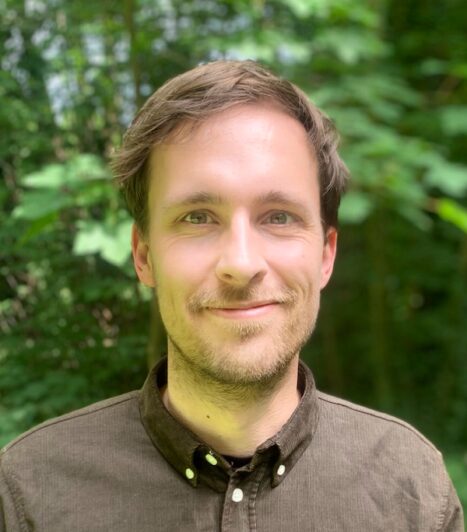
Roman Stengelin è ricercatore senior presso il Max Planck Institute for Evolutionary Anthropology in Germania. La sua ricerca esplora i fondamenti dello sviluppo della cognizione sociale infantile, adottando approcci sia evolutivi che interculturali. Lavorando con diverse comunità in Namibia, studia come l'esperienza culturale quotidiana dei bambini plasmi la loro comprensione della mente e dei comportamenti altrui, nonché le loro tendenze prosociali e collaborative. Roman è un ricercatore del periodo 2025-2027. Jacobs Foundation Ricercatore associato.
Questa intervista è stata modificata per chiarezza.