GUEST PODCAST: EdTechnical Series 4 Episode 1
Authors
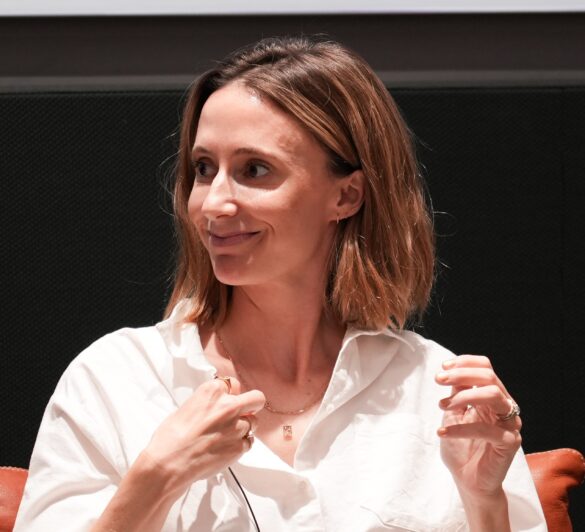

This season EdTech funder Libby Hills and AI researcher Owen Henkel continue to speak with leading researchers, practitioners and educators on the EdTechnical podcast series about the cutting edge of AI in education. They will break down complex AI concepts into non-technical insights to better understand what the research says and help educators sift the useful insights from the AI hype.
In this episode of EdTechnical, Libby and Owen speak with Kristyn Sommer, a developmental psychologist and child robot interaction researcher.
Together, they explore how young children learn through imitation, why physical presence matters for learning, and what the so-called robot deficit reveals about engagement, psychological safety, and learning outcomes. Kristyn explains where robots can support learning, where they fall short, and why many assumptions about roboteachers are far ahead of the evidence.
They also discuss the practical realities and the ethics of educational robotics, and why robots are more likely to support teachers than replace them anytime soon.
Links
Can a robot teach me that? Children’s ability to imitate robots
Preschool children overimitate robots, but do so less than they overimitate humans
When is it right for a robot to be wrong? Children trust a robot over a human in a selective trust task
Bio
Kristyn Sommer is a developmental psychologist and child-robot interaction researcher whose work explores how young children learn from and with social robots. She is a postdoctoral research fellow at Griffith University’s School of Applied Psychology, where she investigates how children’s social, emotional and behavioural engagement with robotic teachers affects learning and development. Her research also examines individual differences in how children relate to and trust robots, and how these insights might inform more supportive, evidence-based uses of educational technology. She is also a Jacobs Foundation Research Fellow focused on foundational work in children’s learning with robot companions.
Authors