GUEST PODCAST: EdTechnical Series 5 Episode 8
Authors
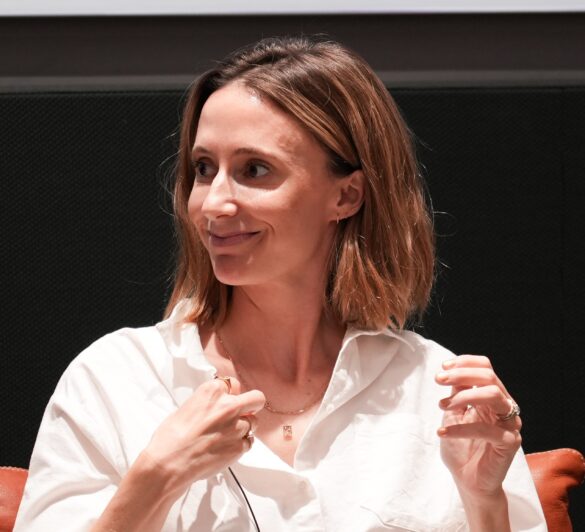

This season EdTech founder Libby Hills and AI researcher Owen Henkel continue to speak with leading researchers, practitioners and educators on the EdTechnical podcast series about the cutting edge of AI in education. They will break down complex AI concepts into non-technical insights to better understand what the research says and help educators sift the useful insights from the AI hype.
In this EdTechnical short, Libby and Owen discuss how concerns about anthropomorphism translated into rules for educational AI tools. England’s Department for Education guidance states that conversational AI tools for learning should not refer to themselves as “I”, in response to a concern about children forming unhealthy relationships with chatbots. Does anthropomorphism drive those unhealthy relationships? And does the pronoun “I” actually make a chatbot seem more human?
When building Rori, an AI maths tutor that runs on WhatsApp, Owen and the team focused on keeping conversations about maths and on passing any worrying messages to an adult. Two recent studies add to the picture. In one, a more humanlike, expressive voice did not lead to worse wellbeing than text. What mattered was how much people used the chatbot and how they perceived it. In another, having the chatbot use “I” compared to “The system” made no difference to how humanlike or trustworthy it seemed. Adding a voice, however, made the chatbot feel more human. Although these studies were with adults and not children, they suggest that rules about wording may not address the underlying safety concerns.
Papers
How AI and human behaviors shape psychosocial effects of extended chatbot use
Age and generational differences in anthropomorphism and trust in large language models
Authors