How do children learn through play?
What is play?
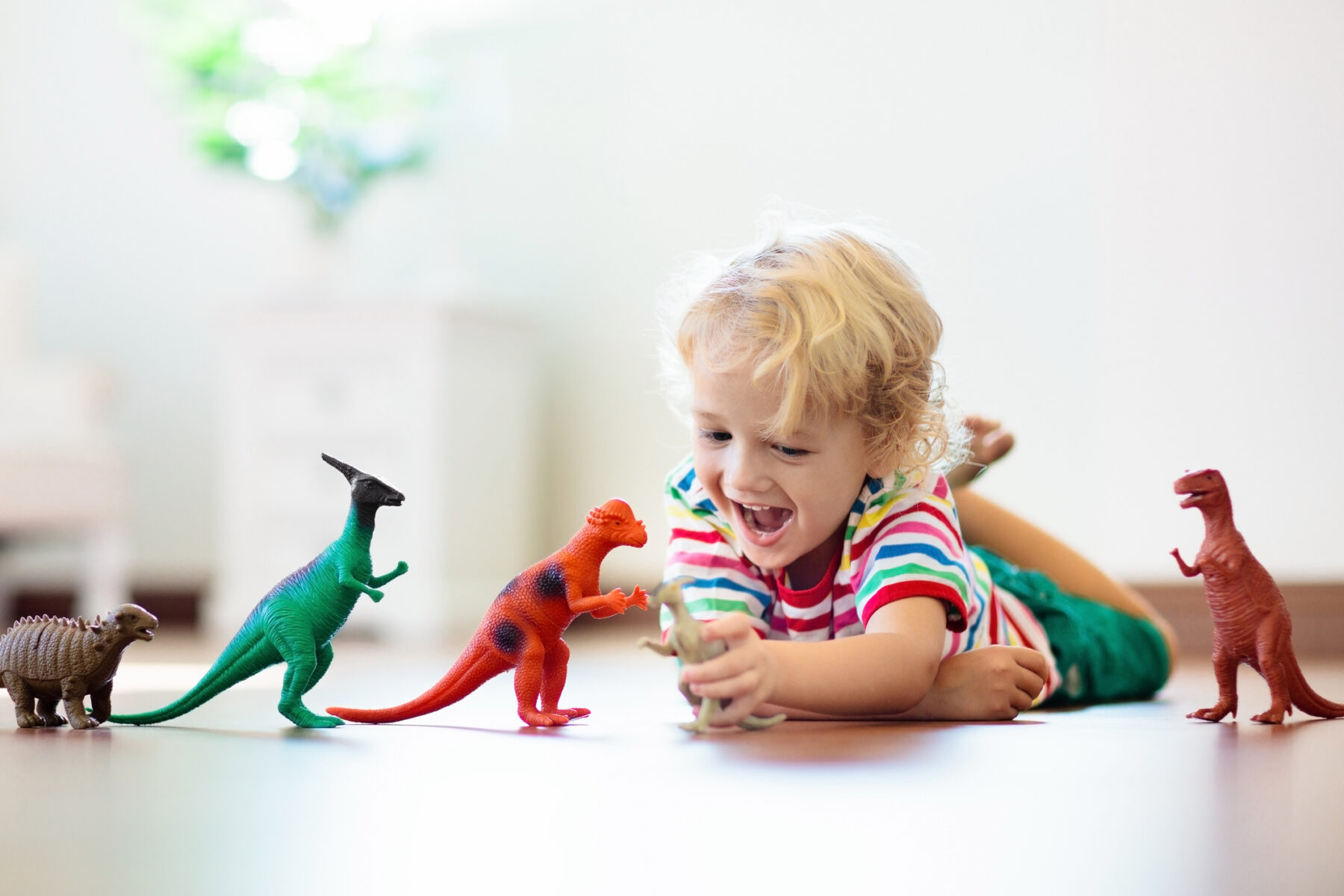
Play is an elusive concept, but researchers say it captures how the brain learns best. Play is active, engaging, and voluntary; and it can be meaningful, repetitive, and socially interactive. Importantly, it is often joyful.
What are the benefits of play?
Every child has a fundamental right to play, according to the UN Convention on the Rights of the Child. It is beneficial at every age – even in adulthood – for learning and beyond. Play has continually evolved across the animal kingdom, in animals as different as squirrels and dolphins. Even in war and times of human crisis, children still play. All this suggests that play is not a mere frivolity, but serves an important purpose.
“Play is the work of childhood, as psychologist Jean Piaget is believed to have said.“
Kathy Hirsh-Pasek and Roberta Michnick Golinkoff
How can play help children learn?
Play promotes the learning of academic skills but also children’s socio-emotional development. It even relieves stress, which in turn can strengthen the features that help children learn better.
Play can help children develop their physical capabilities. It also supports the development of the executive functioning skills that children need for problem-solving, creativity, and collaboration.
Meaningful experiences, including playful encounters that relate to what children already know or their interests, can boost their ability to remember what they are learning.
Playing with others helps hone socio-emotional skills, enabling children to work with others and communicate ideas clearly.
Play helps build focus and allows children to test and try out new ideas as they learn to solve problems. It can also boost critical thinking, creativity, and confidence.
The element of joy in play can motivate children, which bolsters learning in a way that more formal elements of education, like memorisation and repetition, are less able to do.
What effect can caregivers have on play?
Play in the context of meaningful relationships, such as parent-child play, provides additional benefits. When a parent and child play together, their brains may even become synchronised. Playing with a caregiver can help children manage stress better, behave less ‘negatively’, develop the ability to focus and regulate their emotions, improve their social skills, and develop their cognitive abilities.
Playing with a caregiver may also mitigate some of the negative effects of childhood adversity, such as poverty. This was shown, for example, by a small study of low-income families in which researchers gave parents of two-year-olds a bag of toys and books. The more playful the fathers were as they used the contents of the bag with their toddlers, the better the children’s vocabulary was just over three years later. The more playful the mothers, the better their children’s emotion regulation.
Caregivers and teachers can also help children learn by fostering the crucial element of joy.
What are the different types of play?
There are many different types of play that children can engage in alone, with peers, or with the support of adults such as caregivers or teachers.
Physical play includes sports and rough-and-tumble activities. Dramatic play harnesses make-believe, for example when children pretend to be dinosaurs or fairies or, more formally, act in school plays. During object play, children may tinker with an object to discover how it works, or they may build or invent something to solve a problem.
Free play allows children to initiate and carry out their own play activity, such as building a den. School breaktimes provide a good opportunity for unstructured play. In guided play, an adult might set up an activity or environment with a learning goal, but the child directs that learning. This might include play activities at school or in a museum setting.
Jelena Obradović, Stanford University’s Graduate School of Education
How can adults support playful learning?
Caregivers and teachers can support children in their play. It is important to make time and space for play and avoid overscheduling activities.
There is a misconception that play is frivolous, but allowing packed schedules to displace playtime can cause children harm, and the American Academy of Pediatrics has raised concerns over the lack of opportunities for children to play.
Adults can give children opportunities for free play, for example during school breaktimes or by allowing them to spend time outdoors and in nature.
Many benefits of playful learning come from the experience of joy. Joy is a complex emotion that engages the brain’s reward system, triggering other positive emotions that bolster reasoning, memory, and decision-making. It can also help strengthen social bonds, with all the positive effects such bonds entail, such as better collaboration and communication, and it can help build resilience, creativity, and confidence.
Caregivers and teachers can help to create joy. For example, adults can facilitate ‘joyful learning moments’ in maths using maths talk – counting on fingers or counting socks together with a child. What matters in creating joy is the coming together, and even the intention to create joy has a positive effect.
Playful learning can also be built into school curricula. In a pilot project in Ghana, a team worked with teachers to apply and build on education policy around guided play. After implementing more guided play, teachers found that students were learning concepts in just two or three days that would normally take a week. Key to achieving this outcome was rooting the activities in children’s culture, agency, and joy and connection.
Michael W. Yogman, Harvard Medical School
How can caregivers support children’s playful learning?
You don’t need expensive – or many – toys or experiences. Everyday moments can provide opportunities for playful learning; all it may take is a shift in mindset.
- Incorporate playful learning into household activities, such as cooking or gardening. Even chores like cleaning can be meaningful (a bonus to other family members).
- Go for a hike, take a walk in the city, or go to the park to find opportunities for hands-on activities like counting leaves, learning new vocabulary, or testing hypotheses.
- Play board games to boost memory and problem-solving, as well as wellbeing and social skills such as communication. Other physical games, too, can boost development – dance games may improve preschoolers’ working memory.
- Make time for outdoor, nature-based play for both girls and boys. One British study points to a gender gap, with girls having less outdoor time than boys from as young as age two.


