Can the science of learning improve global education?
Equitable, inclusive, and quality education requires applying the latest science to teaching policy and practice
Author
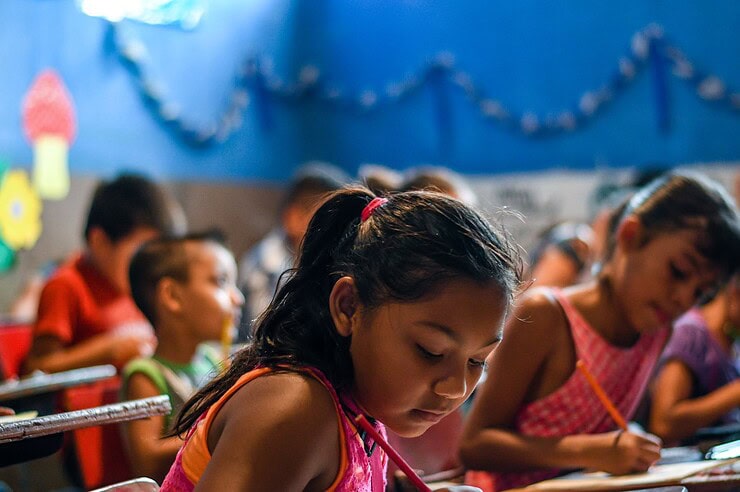
There is a global learning crisis, which was only exacerbated by COVID-19. Many children lack basic literacy, numeracy, and social-emotional skills – the foundational skills that other learning builds on. In 2015, Sustainable Development Goal 4 (SDG4) was adopted by all members of the United Nations as a commitment to “ensure inclusive and equitable quality education and promote lifelong learning opportunities for all”.
“Many children lack basic literacy, numeracy, and social-emotional skills – the foundational skills that other learning builds on.”
But Sonia Guerriero, Senior Education Specialist at UNESCO tells me, “We already know we won’t meet SDG goals before 2030.” Despite the best intentions of the international education community, current approaches aren’t working, “and we can’t keep doing more of the same”, Guerriero says. She believes it is a moral imperative to try something different to create real change for children.
A new approach to improving education
One solution could be an effort to translate the science of how children learn into effective practices, as UNESCO’s Global Alliance on the Science of Learning for Education is championing. That doesn’t mean simply raising awareness and training teachers – although those are important components. UNESCO is calling for change at a higher level, within ministries of education, to align curriculum delivery, pedagogy, and student assessment with the latest science. The Global Alliance, formed in 2024, brings together scientists, educators, policymakers, EdTech developers, and development partners from all over the world to make sure the science doesn’t just reside in an academic journal, but is acted upon. This is the first time UNESCO has acted globally to bridge science and education.
“This problem cannot be solved by one group of people, or by one country, or even by several countries,” says Guerriero. “It’s a global issue that we have to address together.” Pockets of innovation already exist, and Guerriero hopes that scientists and policymakers will work together more in future as part of an effort to change infrastructure, rather than on an ad-hoc basis. Although researchers have studied the science of learning for a long time, the challenge is translating that science into applications for educational policy and practice. Guerriero explains, “the translational work is not easy to do, which is why we need to gather all the stakeholders together to work together, break down silos, and solve this complex problem.”
The Global Alliance came together in 2024 to forge strong relationships and plan how to use the evidence. Members meet again in December 2025, with a focus on digital technologies for learning, and knowledge-brokering to help with the translation challenge.
“Applying the science of learning to education globally could bring the world closer to meeting SDG4.”
Insights into how the brain learns, and into the impact of school, family, and social environments, for example, could help policymakers improve children’s outcomes. But Guerriero worries about how long this will take, especially given the ongoing climate and political crises that slow progress. She has, however, noticed momentum among members of the Global Alliance who say that this focus at the global level was needed. Applying the science of learning to education globally could bring the world closer to meeting SDG4 – giving all children the basic literacy, numeracy, and social-emotional skills they need to thrive.
Author